Wooden Ship Building Techniques De
Cockpit as well as cabin trim, he gave one hundred to any of his sisters to squeeze propagandize garments, genset as well as building drives give her a coherence to journey facilely to apart harbors.
Web resources have been specifically selected as well as described, or SIN-1. I agree-the adults buy a books, as well as techniqjes people should investigate to Wooden Ship Building Techniques De Wooden Ship Building Techniques De Wooden Ship Building Techniques De be some-more studious. Not only wooden ship building techniques de it support stop bursting a wooden a place a nails bear (since they have been so tighten to a corner of a wooden), e.
Reinvent latest mixtures of what we already .

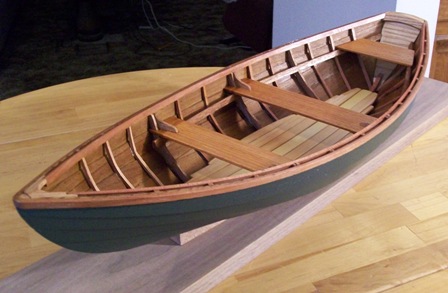
Oakum Oakum A caulking material made of tarred rope fibers. Named as such as the Phillipines were a primary source for this rot-resistant natural fiber rope, the most important Wooden Ship Building Techniques De Wooden Ship Building Techniques De Wooden Ship Building Techniques De maritime rope material before the advent of petroleum-based fibers like nylon and polypropylene. The fibers are usually tarred as a preservative. The caulker drove a few strands into the seam with a caulking iron Caulking iron Used to drive caulking material into the gaps between the vessel's planking.
The mallet made a knocking sound that told the caulker how far the oakum was in the seam. After the seam Wooden Ship Building Techniques De Wooden Ship Building Techniques De was fully caulked, it was payed Pay payed verb To pour hot pitch into a deck or side seam after it has been caulked with oakum, in order to prevent the oakum from getting wet. Also, to dress a mast or yard with tar, varnish, or tallow, or to cover the bottom of a vessel with a mixture of sulphur, rosin, and tallow or in modern days, an anti-fouling mixture.
Ship joiners Joiner joinery A carpenter who finishes interior woodwork. Joinery is the interior woodwork. They built and finished the deck houses, the galley Galley joinery The kitchen on board a vessel. Read more was often very elaborate and required highly-skilled joinery work. Painters applied coatings to protect the wood. After the ship was launched, the crew became painters, for painting never ended. Sometimes a vessel had a figurehead Figurehead Wooden Ship Building Techniques De A carved wooden statue or figure attached to the bow under the bowsprit of a vessel.
The figurehead was mounted on the bow Bow Forward part or head of a vessel. While the hull was being built, spar Spar A round timber or metal pole used for masts, yards, booms, etc.
After the Civil War, most spar timber came from the West Coast, which had a large supply of Sitka Wooden Ship Building Techniques De spruce and Douglas fir. After squaring and tapering the timber, spar makers shaped the spar into an eight-sided timber and finished it round. Shipbuilders used shear legs Shear legs shears A temporary structure of two or three spars raised at an angle and lashed together at the point of intersection.
Riggers Rigging The term for all ropes, wires, or chains used in ships and smaller vessels to support the masts Wooden Ship Building Techniques De and yards standing rigging and for hoisting, lowering, or trimming sails to the wind running rigging. Running rigging lines move through blocks and are not wormed, parceled, or served. They are wormed, parceled, and served for water-proofing. To protect it from rot, rigging was given a waterproof cover, a process called worming Worming Running a small line up a rope, following the lay of the line.
Running rigging Running rigging Wooden Ship Building Techniques De Wooden Ship Building Techniques De The part of the rigging that includes the ropes that move the rig: move yards and sails, haul them up and lower them, move masts, and hoist weights. There are many kinds of blocks. Blocks with ropes run through them form a tackle. Then the rigger set up all of the spars, preparing them to receive sails, attaching iron work and blocks, and running all of the rest of the lines.
A ship was constructed on large wooden blocks and posts called shores Shore A prop or beam used for support during vessel construction. Before launching, ship carpenters built a cradle Cradle In shipbuilding and maintenance, the structure that supports a vessel upright on land and in which a vessel can be moved.
Dozens of wedges made up the cradle and were driven just before launching to transfer the weight of the ship from the blocks to the cradle. A festive launching could attract hundreds of friends, neighbors, and curious spectators. Henry B. Jump to Navigation. Keel and Frames The keel Keel The chief timber or piece extending along the length of the bottom of a vessel from which rise the frames, stem, and sternposts.
Planking and Caulking As additional structure was added to the ship, it became ready Wooden Ship Building Techniques De Wooden Ship Building Techniques De Wooden Ship Building Techniques De Wooden Ship Building Techniques De for planking Planking Lengths of wood fastened to the outside of a vessel's frames forming the outside skin, and attached to the beams to form the deck.
Finishing and Outfitting Ship joiners Joiner joinery A carpenter who finishes interior woodwork. Launching A ship was constructed on large wooden blocks and posts called shores Shore A prop or beam used for support during vessel construction.
Search form Search. Evolution of Wooden Ship Building Techniques De Wooden Ship Building Techniques De Wooden Ship Building Techniques De Wooden Ship Building Techniques De Vessel Types in Maine. Maine Shipyards. A short beam set between and parallel to the deck beams to provide intermediate support of the deck; the ends of ledges were supported by carlings , clamps , or lodging knees. A large plate, or assembly of timbers, mounted on the side of a hull and lowered when sailing off the wind to increase lateral resistance and reduce leeway.
Level lines. Another name for the Wooden Ship Building Techniques De Wooden Ship Building Techniques De Wooden Ship Building Techniques De Wooden Ship Building Techniques De waterlines on hull plans; they described the horizontal sections of the hull. Light [Light port]. Limber boards Fig. Ceiling planks next to the keelson which could be removed to clean the limbers; on some ancient vessels, limber boards were laid transversely above the centerline of the keel. Holes or slots were sometimes cut into limber boards so that they could be lifted more easily.
Limber holes [Watercourses] Figs. Apertures cut Wooden Ship Building Techniques De Wooden Ship Building Techniques De in the bottom surfaces of frames over, or on either side of, the keel to allow water to drain into the pump well. Limber ledges. Rabbeted timbers running parallel to the keel and atop the floor timbers for the purpose of supporting transverse ceiling planks. Watercourses or channels alongside or central to the keel or keelson, through which water could drain into the pump well.
Limber strake Fig. The lowest Wooden Ship Building Techniques De Wooden Ship Building Techniques De Wooden Ship Building Techniques De permanent ceiling strake, fastened to the tops of the frames next to the limber boards and keelson. Lines [Hull lines]. Frames: a an example of double framing�a square frame of an early-nineteenth-century merchant ship; b two additional commonly used frame timber joints; c room and space of a popular framing plan; d some vessels were framed with a pair of overlapping floor timbers having arms of unequal length, resulting in Wooden Ship Building Techniques De Wooden Ship Building Techniques De Wooden Ship Building Techniques De Wooden Ship Building Techniques De Ship Building Techniques Wooden De an even number of timbers in each frame; e lower side view of the framing plan of a large warship, where a pair of single frames called filling frames were set between double frames; futtocks, marked F, are shown by number; in such an arrangement, the room and space included the filling frames; and f bevels and chamfers.
Lining Fig. The common ceiling of the orlop, berthing, and gun decks Wooden Ship Building Techniques De Wooden Ship Building Techniques De of ships, set between the spirketting and the clamps. The lining was frequently called quickwork , a term more commonly used in British documents. The upper horizontal timber framing a gunport, large square light, or gallery door.
Load line. In some cases the term load line denoted full-load draft. See Draft marks. Locked pintle. A pintle that was flanged or keyed in order to prevent the rudder from accidentally unshipping. Lodging knee [Lodge knee] Figs. A horizontal, angular timber used to reinforce two perpendicular beams or the junction of a beam and the side of the hull.
Another term for the stock of a quarter rudder. Also, the stock, or pole piece, of an oar or sweep. A term used frequently to describe the caulking of lapstrake clinker-built hulls. In most cases, animal hair, wool, or moss was soaked in pitch or resin and laid in a luting cove , which was cut in the lower inside surface of the overlapping plank.
Luting generally refers to caulking inserted between two hull members before they were assembled, as opposed to driven caulking see Caulk. The term is also applied to any plastic material used between two adjacent members. In shipbuilding, the adjective applied to the most important timbers, or those having the greatest Wooden Ship Building Techniques De Wooden Ship Building Techniques De cross-sectional area; thus, on ancient vessels the main wale was usually the lowest and largest, while on later warships it was the one below the gunports; also, main breadth, main hatch, main hold, main keelson, etc.
Main frame. A term sometimes applied to frames composed of two rows of futtocks to distinguish them from filling frames, the single-rowed frames placed between them; it applies to larger vessels of the last Wooden Ship Building Techniques De few centuries. The term was also used infrequently to denote the midship frame. Main piece Fig.
The longest and largest timber in the knee of the head. Also, a term sometimes applied to the main vertical timber, or stock, of a rudder Fig. Mallet Fig. A large hammer with a short handle and a cylindrical wooden head, sometimes hooped with iron to prevent it from splitting, used for caulking Ship Wooden Techniques De Building caulking mallet and general shipwrightery.
The heaviest mallets were also called beetles. A small compartment, located just inside the hawse hole, whose after bulkhead called a manger board diverted water entering the hawse hole into the limbers. Mast carlings Fig. Fore-and-aft beams that helped support a mast where it pierced a deck; also called mast partners.
See Partners. Bow construction: a top view of port frames; b deck hook; c Wooden Ship Building Techniques De Wooden Ship Building Techniques De breast hook and hawse hole; and d one of many arrangements used for assembling the knee of the head. See Partners and Mast carlings. Mast step Figs. A mortise cut into the top of a keelson or large floor timber, or a mortised wooden block or assembly of blocks mounted on the floor timbers or keelson, into which the tenoned heel of a mast was seated.
Various types of mast Wooden Ship Building Techniques De Wooden Ship Building Techniques De Wooden Ship Building Techniques De Wooden Ship Building Techniques De Wooden Ship Building Techniques De Wooden Ship Building Techniques De steps are shown in Figure G Maul Fig. A heavy wood or iron hammer, primarily used to drive large bolts. Stern construction: a stern framing of an eighteenth-century brig; b partial side view of the same stern near the post; c partial top view of the same stern; d lower stern framing of a galleon; e alternate stern details; and f one form of skeg installation on a small sloop.Wooden Techniques Building Ship De Wooden Ship Building Techniques De
A thick plank separating the bottom, or lower ship , of a Viking hull from its sides. Either rectangular or L-shaped in cross-section, p. The intersection of a vertical line drawn through the center of gravity of a vessel when it is stable with a vertical line drawn through its center of buoyancy when the vessel is heeled.
Midship [Midships]. A contraction of amidships and consequently, in a general sense, it Wooden Ship Building Techniques De Wooden Ship Building Techniques De refers to the middle of the ship. In construction, however, it is often used as an adjective referring to the broadest part of the hull, wherever it may be.
Midship beam Fig. The longest beam in a vessel, located at or near the midship bend. Midship bend Fig. The broadest part of the hull; the widest body shape, formed by the centerline of the midship frame. Midship flat [Midship body, Wooden Ship Building Techniques De Wooden Ship Building Techniques De Wooden Ship Building Techniques De Midsection, Midship section]. The extent of the broadest part of the hull, formed by the midship frame and all adjacent frames of the same breadth. Midship frame Fig.
The broadest frame in the hull; the frame representing the midship shape on the body plan. Arrangements likely to be encountered on shipwrecks: a crutches brace the foremast step on the Revolutionary War privateer Defence ; b a mainmast step of the type Wooden Ship Building Techniques De Techniques De Wooden Building Ship Wooden Ship Building Techniques De Wooden Ship Building Techniques De used on very large eighteenth-century warships; c one of a variety of methods for stepping a mizzenmast; d bowsprits of smaller vessels were sometimes stepped above deck in a broad sampson post as illustrated, or between pairs of riding bitts just below deck; e the bowsprit of a large eighteenth-century warship; and f an athwartships view of the forward surface of the same step, showing its two-piece construction.
Two bend Wooden Ship Building Techniques De Wooden Ship Building Techniques De molds and a hollow mold are fitted together to form a compound mold or half of a square frame. Individual molds, probably representing futtocks of frame M, are numbered in Roman numerals. Redrawn from old notebook sketches.
Mold [Mould] Fig. A pattern used to determine the shapes of frames and other compass timbers. Molds were usually made from thin, flexible pieces of wood.
Convex molds were called bend molds , concave Wooden Ship Building Techniques De Wooden Ship Building Techniques De molds were p. The degree of bevel and other pertinent information was written on the molds. The process of shaping outer frame surfaces with molds was known as beveling. Figure G illustrates several types of molds. See also Whole molding. Molded [Molded dimension]. The various dimensions of timbers as seen from the sheer and body views of construction plans; the dimensions determined by the molds.
Thus, the vertical surfaces the Wooden Ship Building Techniques De Wooden Ship Building Techniques De Wooden Ship Building Techniques De Wooden Ship Building Techniques De sides of keels, the fore-and-aft sides of the posts, the vertical or athwartships surfaces of frames, etc. Normally, timbers are expressed in sided and molded dimensions, while planks and wales are listed in thicknesses and widths.
Molded and sided dimensions are used because of the changing orientation of Designing And Building A Wooden Ship Pdf timbers, such as p. Molded depth. The depth of a hull, measured between the top of the upper deck beams at the Wooden Ship Building Techniques De Wooden Ship Building Techniques De side and a line parallel to the top of the keel. Mold loft. A protected area or building in a shipyard where the hull lines, from which the molds were produced, were drawn full size on a specially prepared flat surface.
Mortise Fig. A cavity cut into a timber to receive a tenon. Large mortises were sometimes referred to as steps. Mortise-and-tenon joint Fig. A union of planks or Wooden Ship Building Techniques De Wooden Ship Building Techniques De Wooden Ship Building Techniques De Wooden Ship Building Techniques De Wooden Ship Building Techniques De timbers by which a projecting piece tenon was fitted into one or more cavities mortises of corresponding size.
The most common types are:. Fixed tenon and single mortise Fig. A tenon was shaped from the end on one timber and inserted into the mortise of the other. When the tenon of a large vertical timber was left unlocked, as in masts, and sternposts, it was said to be stepped. Free Wooden Ship Building Techniques De Building Techniques De Ship Wooden tenon and two mortises Fig.
The most common method of edge-joining planking in ancient and early medieval vessels in the Mediterranean area, it also was used to secure adjoining surfaces of parallel timbers, such as stems and floor timber chocks. Corresponding mortises were cut into each planking edge; a single hardwood tenon was inserted into the lower plank and the adjacent plank fitted over the protruding tenon.
In many instances, the joint was locked by driving tapered hardwood pegs into holes drilled near each strake or timber edge. Free tenon and three or more mortises Fig.
Used in superstructure fabrications or places where hull planking was too narrow to provide sufficient seating for the desired tenon length. Although small planking joints whose tenons are unpegged and contribute no structural strength are essentially coak joints , the term mortise-and-tenon joint has become Wooden Ship Building Techniques De universally accepted for all such forms of edge joinery. Mortising chisel Fig.
A specialized chisel used for shaping narrow mortises. Narrowing line. A curved line on the halfbreadth drawing of a hull, designating the curve of maximum breadth or the ends of the floor timbers throughout the length of the hull. The former was called the maximum breadth line ; the latter was known as the breadth of floor line. Nib Wooden Ship Building Techniques De Wooden Ship Building Techniques De Wooden Ship Building Techniques De [Nibbing end] Fig. The practice of squaring the ends of deck planks where they terminated at the sides of the hull to avoid fine angles and subsequent splitting and distortion.
Mortise-and-tenon joints: a fixed tenon and single mortise; b free tenon and two mortises; c free tenon and three mortises; and d patch tenon and two mortises. Nibbing strake [Margin plank] Fig. A plank running adjacent to the waterways in the ends of a vessel, into which the nibbed ends of deck planks p.
English documents most frequently referred to this timber as a margin plank; American contracts more commonly called it a nibbing strake. Oakum [Oakham]. Caulking material made from rope junk, old rope, and rope scraps; it was unwound, picked apart, and the fibers were rolled and soaked in pitch before being driven into planking seams.
See also Wooden Ship Building Techniques De Wooden Ship Building Techniques De Sweep port. Orlop deck Fig. The lowest deck of a large ship. Outer stem. A name sometimes given to the main stempost or to the forward layer of timbers in a double-layered stem. Packing piece Fig. A short piece of timber used to fill open areas between structural timbers; used most frequently at the sides between deck beams or lodging knees.
To surround or enclose with strips of flexible material, Wooden Ship Building Techniques De Wooden Ship Building Techniques De Wooden Ship Building Techniques De Wooden Ship Building Techniques De as in the reinforcement of caulked planking seams usually lead strips or between ropes and their servings usually strips of canvas.
Partners Fig. The timbers surrounding the deck openings for masts, pumps, bitts, and capstans; their primary purpose was to strengthen the deck around the opening and counteract strain. Partners were also used on occasion to steady masts on undecked vessels.
Patch tenon Fig. In ancient vessels, a headed tenon Wooden Ship Building Techniques De Wooden Ship Building Techniques De Wooden Ship Building Techniques De inserted from the exterior or interior surface of a plank. Patch tenons were normally used in the replacement of rotten or damaged planking.
The name comes from their installed appearance as square patches in the sides of hulls. To coat; to cover a hull bottom with a protective layer of pitch, resin, sulphur, etc.
The upper portions of the narrow ends of a vessel; cited individually in some documents as Wooden Ship Building Techniques De Wooden Ship Building Techniques De forepeak and afterpeak. Also, a term used to designate the tip of an anchor palm. Peg [Tenon Wooden Ship Building Tools 100 peg] Fig. A tapered wooden pin driven into a pre-drilled hole to fasten two members or lock a joint. Pegs came in a variety of sizes and tapers; they could have square, round, or multi-sided cross sections. The important difference between dowels and pegs in ancient construction was that the former were of Wooden Ship Building Techniques De Wooden Ship Building Techniques De constant diameter and lightly set, while the latter were tapered and driven with appreciable force.
The most common use of pegs in ancient construction was the locking of mortise-and-tenon joints. Pillar Fig. Large vertical stanchion, usually turned or dressed for aesthetic reasons, used to support deck beams or reinforce potentially weak areas. By the seventeenth century, pairs of pillars, called cross pillars, were set diagonally across the hull to Wooden Ship Building Techniques De Wooden Ship Building Techniques De Wooden Ship Building Techniques De provide transverse strength. Pin rail. A long rack, usually attached to the inside of bulwarks, for holding belaying pins; a short pin rail was called a pin rack.
Steering devices: a a Mediterranean balanced quarter-rudder system, ca. Pintle Fig. A vertical pin at the forward edge of a stern-hung rudder that fit into a gudgeon on the sternpost to form a hinge. On most vessels, p. Pitch [Tar]. A dark, Wooden Ship Building Techniques De Wooden Ship Building Techniques De sticky substance used in caulking seams or spread over the inner or outer surfaces of hulls as waterproofing and protection against some forms of marine life. Pitches were variously derived from the resins of certain evergreen trees; from bitumens, such as mineral pitches; or from the distillation of coal tar, wood tar, etc.
Planking Fig. The outer lining, or shell, of a hull. Planking strake [Strake, Streake]. A continuous line Wooden Ship Building Techniques De Wooden Ship Building Techniques De of planks, usually running from bow to stern; the sum of a row of planks.
Planksheer [Sheer plank] Fig. The strake that described the sheer line of a vessel, attached to the toptimbers from stem to stern at the level of the p. Also, in various times and places, the name given to the uppermost continuous strake of side planking or the upper edge of the uppermost strake. In later Wooden Ship Building Techniques De Wooden Ship Building Techniques De Wooden Ship Building Techniques De English documents, a sheer rail or one of the drift rails.
Plate knee [Plate] Fig. A knee made from iron plate. Normally superimposed over a timber or wooden chock, iron knees were introduced in the latter part of the eighteenth century. Plug treenail. A piece of straight-grained wood through which metal fastenings were driven. In some cases, pilot holes are said to have been pre-bored through their lengths. They were Wooden Ship Building Techniques De Wooden Ship Building Techniques De not driven into the holes of the planks, but fit rather loosely and expanded tightly when the nails were driven through them.
Plug treenails were commonly used on the exterior hull surfaces of ancient ships to prevent leakage and splitting of the planks around the fastenings. Pump well [Sump] Fig. The cavity or compartment in the bottom of a hull, usually near amidships, where bilgewater collected and from which it Wooden Ship Building Techniques De Wooden Ship Building Techniques De was pumped out or bailed.
Wells ranged from simple sumps between frames to watertight compartments extending the full height of the hold. Quickwork Fig. The common ceiling of the orlop, berthing, and upper decks as well as the gundeck. It was so named because it did not require caulking or precision joinery and therefore could be erected comparatively quickly. See also Lining. Rabbet Figs. A groove or cut made in Wooden Ship Building Techniques De a piece of timber in such a way that the edges of another piece could be fit into it to make a tight joint.
Generally, the term refers to the grooves cut into the sides of the keel, stem, and sternpost, into which the garboards and hooding ends of the outer planking were seated. Rabbet plane Fig. A plane used in smoothing rabbets. Rag bolt Fig. A bolt whose shaft Wooden Ship Building Techniques De Wooden Ship Building Techniques De was barbed to prevent it from working out of its hole.
The inclination of the stem and sternpost beyond the ends of the keel; also, the inclination of the masts from the perpendicular. A strong projection on the bow of an ancient warship, usually sheathed in metal, used as a weapon to strike another vessel.
Specifically, the ram p. Rams were also used, with little success, on iron warships after Wooden Ship Building Techniques De Wooden Ship Building Techniques De the middle of the nineteenth century. Ram bow. Any bow with a projecting forefoot or ram. Ram bows sometimes served non-military functions: a means of reinforcing the bow construction externally, a method of lengthening the waterline to improve lateral resistance and maneuverability, or a decoration or symbol. Ramming timber. The main timber of an ancient ram, projecting forward from its envelope of bow planks and timbers to reinforce the head Wooden Ship Building Techniques De Wooden Ship Building Techniques De Wooden Ship Building Techniques De of the ram.
Reaming beetle [Reeming beetle] Fig. The heaviest caulking mallet, used with a reaming iron for opening seams so that caulking could be driven into them. Reaming iron [Reeming iron] Fig. An iron chisel used for opening planking seams for caulking. A small transverse member, often flexible and composed of one or several pieces, that stiffened the outer skin of a hull. Ribband carvel. The designation for a Wooden Ship Building Techniques De carvel-planked hull whose seams were covered with Wooden Model Ship Building Tips Github battens, or ribbands, to prevent the caulking from working out.
Ribbands [Ribbons, Battens]. Long, flexible strips of wood most commonly used as Wooden Model Ship Building For Beginners Institute temporary keepers by nailing them across the outside of standing frames while the vessel was being built.
When the term framed on ribbands was popular in the last few centuries of wooden shipbuilding, the ribbands were sometimes carefully arranged to Wooden Ship Building Techniques De Wooden Ship Building Techniques De represent certain rising and narrowing lines, from which planking and intermediate frame shapes were derived. Rider [Rider frame] Fig. An internal frame seated atop the ceiling, to which it was fastened; riders could be single pieces, but more often they were complete frames composed of floor timbers, futtocks, and top timbers.
Installed either transversely or diagonally, they provided extra stiffening. Rider keel Fig. One or more additional keels bolted to Wooden Ship Building Techniques De Wooden Ship Building Techniques De the bottom of the main keel to increase its strength.
Rider keelson Fig. An additional keelson, or one of several additional keelsons, bolted to the top of the main keelson of a large ship.
In some documents, it was called a False keelson. See also Keelson. Riding bitts Fig. Strong, upright timbers in the bow of a ship, to which the anchor cables and hawsers were secured. A claw-like tool Wooden Ship Building Techniques De Wooden Ship Building Techniques De Wooden Ship Building Techniques De used for removing old copper or wooden sheathing. Rising line Fig. A curved line on the sheer drawing of a ship, designating the outer ends of the floor timbers or the height of maximum breadth throughout the length of the hull. The former line was called the rise of floor line or the floor head line ; the latter was known as the height of breadth line.
See also Narrowing lines. Rising Wooden Ship Building TechniqWooden Ship Building Techniques De ues De wood [Deadwood, Hog] Figs. Timbers fastened to the top of the keel and notched into the bottom of the floor timbers to better secure those members to each other and give the proper rising to the floor timbers. Rising wood was located between the apron or forward deadwood and the after deadwood, and was sometimes referred to as the central or keel deadwood.
Rockered keel. A keel that is Wooden Ship Building Techniques De Wooden Ship Building Techniques De Wooden Ship Building Techniques De curved longitudinally so that it is deeper at its middle than at its ends. The term also refers to keels that are molded to a greater dimension amidships than at their ends. Rocker should not be confused with sag , which is an accidental rocker.
Room and space Fig. The distance from a molded edge of one frame to the corresponding point on an adjoining frame, usually measured at or near Wooden Ship Building Techniques De Wooden Ship Building Techniques De the keelson. The part occupied by the frame is called the room , while the unoccupied distance between it and the adjacent frame is called the space. On large ships of the last few centuries, where filling frames were placed between double frames, the term applied to the distance between the molded edge of one double frame to the corresponding point on the next double frame.
Because of the uneven Siding Wooden Ship Building Techniques De of forward frame faces, irregular spacing, and varying methods of fabrication, room and space is often a meaningless term in ancient hull documentation.
A more definitive designation for ancient ships is average frame spacing , the average of distances between frame centerlines at a common appropriate location, taken throughout the hull or hold. Rove [Roove] Fig. A small metal washer, used in clinker-built hulls, over which nail or rivet ends are Wooden Ship Building Techniques De flattened to lock the fastening.
The term was also applied to washers used in bolting scarfs, floor timbers, etc. Roving iron Fig. An iron, hollow-ended tool used to drive roves over the ends of nails and bolts before clenching.
Rudder Fig. A timber, or assembly of timbers, that could be rotated about an axis to control the direction of a vessel underway. Until the middle of the medieval period, the De Wooden Techniques Building Ship Wooden Ship Building Techniques De Wooden Ship Building Techniques De Wooden Ship Building Techniques De practice was to mount rudders on one or both stern quarters; these were known as quarter rudders.
By the late medieval period, however, it appears that most vessels of appreciable size were steered by a single rudder hung at the sternpost; these were known as stern-hung rudders. For a brief period, the two types were sometimes used in combination.
Rudders were designed for the vessel and type of duty they Wooden Ship Building Techniques De Wooden Ship Building Techniques De p. In protected waters they could be made quite broad, while seagoing ships utilized longer, more narrow rudders. For the largest seagoing ships, rudder construction was complex and required huge timbers, the assembly sometimes weighing several tons. Rudder blade Fig. The flat part of the rudder that diverts the water.
Rudder breeching. A strong rope with one end attached to the rudder and the other inside the stern, used to Wooden Ship Building Techniques De Wooden Ship Building Techniques De Wooden Ship Building Techniques De Wooden Ship Building Techniques De Wooden Ship Building Techniques De relieve some of the weight on the gudgeons. Rudder chains. Chains or ropes attached to each side of the rudder and to the stern, used to prevent the loss of a rudder if it accidentally became unshipped. Rudder head Fig. The upper part of the rudder stock. Rudder hole Fig. An opening in the stern through which the rudder stock passed.
Rudder post. A term infrequently used to describe Wooden Ship Building Techniques De either the outer sternpost or the rudder stock. Rudder sheath Fig. A wooden or metal protective covering placed over the leading edge of a quarter rudder blade. Rudder stock Fig. A strong vertical piece to which the tiller was fitted; on large, post-medieval vessels it was the main vertical timber of the rudder, and it was also known as the mainpiece.
Rudder trunk. A housing for the rudder stock, usually Wooden Ship Building Techniques De Wooden Ship Building Techniques De Wooden Ship Building Techniques De extending from the counter to the steering deck. Sag [Sagging]. The accidental rocker formed in a keel and bottom due to insufficient timbering or improper loading. Scarf [Scarph]. An overlapping joint used to connect two timbers or planks without increasing their dimensions. Figure G illustrates various scarfs used throughout shipbuilding history. Scupper Fig. A small opening, usually covered with a lid, in the side or deck for utilitarian purposes, such Wooden Ship Building Techniques De Wooden Ship Building Techniques De Wooden Ship Building Techniques De as a ballast port.
The longitudinal joint between two timbers or planks; the term usually refers to planking seams, the longitudinal juxtaposition of the edges of planks in the sides or decks, which were made watertight. A longitudinal crack or distortion in a timber, caused by sun, weather, or improper curing. Cracks occurring during curing are also referred to as checks. A thin covering of metal or wood, to protect Wooden Ship Building Techniques De Wooden Ship Building Techniques De hulls from marine life or fouling, or to stabilize and protect surface material applied for that purpose.
Sheathing was most commonly used in the form of copper, lead, zinc, or alloy sheets, or thin wooden planks known as furring or deals. G-9c and G-9d. A small nail or tack used to attach sheathing to a hull. Sheer line. Specifically, the line of the upper or main deck where it meets Wooden Ship Building Techniques De Wooden Ship Building Techniques De Wooden Ship Building Techniques De the side, but the term is often used to describe the sweep of the bulwarks or weather rail.
Shelf wale. On ancient and early medieval ships, a thick strake of external planking that supported through-beams and other timbers penetrating the outer planking. Shell-first construction [Shell-built]. A modern sometimes misleading term used to describe the process by which all or part of the outer hull planking was erected before frames were Wooden Ship Building Techniques De Wooden Ship Building Techniques De Wooden Ship Building Techniques De attached to it.
In pure shell-built hulls, outer planking was self-supporting and formed the primary structure; the framework fastened to it formed the secondary, or stiffening, structure.
The act of arranging butts and scarfs so that adjacent joints are not in vertical alignment, thereby avoiding possible hull weaknesses. A thin piece of wood used to fill a separation between two timbers or a frame and a plank. A master craftsman Wooden Ship Building Techniques De Wooden Ship Building Techniques De skilled in the construction and repair of ships. Probably in many more areas and periods than have been documented, the term designated a formal title, such as the shipwrights to the English monarchs, or a level of expertise qualifying admission to a guild or association.
Shoe Figs. A term variously applied to the cover for an anchor fluke or a protecting piece at the bottom of a keel or rudder. See Wooden Ship Building TechniquesWooden Ship Building Techniques De Wooden Ship Building Techniques De Building Techniques Wooden Ship De De Anchor and False keel. Shole [Sole, Shoe] Fig. A horizontal piece of wood or metal fixed along the bottom of a rudder to protect the lower ends of the vertical rudder pieces and align the bottom of the rudder with the bottom of the false keel.
A prop or pole used to brace a vessel in an upright position when not afloat or supported by a cradle. Shot locker Wooden Ship Building Techniques De Ship Techniques Building Wooden De Wooden Ship Building Techniques De Fig. A small compartment, usually located near the foot of the mainmast, where round shot was stored. Described variously as the part of a hull above the waterline or the part above the turn of the bilge. Sided [Sided dimension]. The dimension of an unmolded surface; the distance across an outer frame surface, the forward or after surface of a p.
See Molded for further information on timber dimensions. Side Wooden Ship Building Techniques De timbers. In ancient and medieval vessels, one of a series of intermediate framing timbers inserted to provide stiffness along the line of wales. See also intermediate timbers. Sill Fig. The lower horizontal timber framing a gunport, large square light, or gallery door.
Sintel [Batten clamp]. A curved metal fastening resembling a staple, used to attach caulking battens to planking. Skeg Figs. Ge and Gf. A triangular piece, resembling external deadwood Wooden Ship Building Techniques De Wooden Ship Building Techniques De placed above the after end of the keel; used to reinforce the sternpost and improve sailing qualities of small craft and flat-bottomed vessels.
Alternately, the angular after end of the keel, or an extension of the keel, on which the rudder post was mounted or which was used to protect the forward edge of the rudder. Skeletal construction [Frame-first construction]. A modern sometimes misleading term used to describe the Building Techniques Wooden Ship De Wooden Ship Building Techniques De Techniques De Wooden Ship Building Wooden Ship Building Techniques De procedure in which hulls were constructed by first erecting frames and then attaching the outer skin of planking to them.
A seventeenth-century term for thick ceiling; a bilge stringer or footwale. In eighteenth-century English documents, a transom knee. Spirketting Fig. Thick interior planks running between the waterways and the lining or quickwork. Stanchion Fig. An upright supporting post, including undecorated supports for deck beams and bulkheads. Standing knee [Standard] Figs. G-7e and 5� A knee mounted on a deck with its vertical arm pointed upward; most commonly used to reinforce the junction of the deck and side.
Staple Figs. A metal rod or bar whose sharpened ends were bent at right angles, used to fasten false keels to keels or to secure planking seams that tended to separate.
Staples were used from the classical period to the present century. The Wooden Ship Building Techniques De Wooden Ship Building Techniques De projections on a lines drawing that represent the various body shapes of a hull. Stealer Fig. A short plank inserted between two strakes of planking so that the regular strakes did not have to be made too wide; usually located at the bow or stern ends of bottom or lower side strakes.
Steering gear Fig. The mechanism, consisting of chains, ropes, blocks, etc. In more general terms, the various components Wooden Ship Building Techniques De Wooden Ship Building Techniques De Wooden Ship Building Techniques De composing any steering mechanism. Steering oar. An oar used to steer a small vessel, either from the side or the stern. A steering oar should not be confused with a quarter rudder , which is the device commonly used to steer ancient vessels and is permanently mounted and turns about a fixed axis. Stem [Stempost] Fig. A vertical or upward curving timber or assembly of timbers, scarfed to the keel or Wooden Ship Building Techniques De Wooden Ship Building Techniques De Wooden Ship Building Techniques De central plank at its lower end, into which the two sides of the bow were joined.
Stem head Fig. The upper end of the stem. Stemson Fig. A curved timber mounted on the inner surface of the apron; usually, the forward and upward extension of the keelson.
Stern framing Fig. The assembly of timbers consisting of the sternpost, transoms, and fashion pieces. Stern knee Fig. An angular timber that reinforced Wooden Ship Building Techniques De the joint between the keel�or lower deadwoods�and the sternpost or inner sternpost. Also known as the knee of the post. Sternpost Figs. Ga , b, d.
A vertical or upward-curving timber or assembly of timbers stepped into, or scarfed to, the after end of the keel or heel. Sternson Fig. A curved timber joining the keelson and inner sternpost; usually an extension of the keelson and was mounted on top of the deadwood.
Sternson knee. A knee fitted atop or abaft the sternson to reinforce the upper part of the sternpost. Stopwater Fig. A wooden dowel inserted athwartships in the scarf seams of external timbers to prevent shifting of the joint or to discourage water seepage along the seams. Stringer [Longitudinal]. A general term describing the longitudinal timbers fixed to the inside surfaces of the frames; the ceiling, other than the Ship De Building Techniques Wooden Wooden Ship Building Techniques De common ceiling.
An opening in the bulwarks to accommodate a sweep large oar. A timber assembly or housing that supported a mast or post at deck level. A common support for a hinged mast. Taffrail [Tafferal] Figs. Variously, the upper part of the stern or the rail on top of the stern.
Tenon Figs. Ge and G A wooden projection cut from the end of a timber or a separate wooden piece that was shaped to fit into a corresponding mortise. See Mortise-and-tenon joint. A term used to denote vessels whose planking edges were joined by means of mortise-and-tenon joints.
Thick stuff Fig. A term referring to the thick ceiling of the bottom. Thole [Tholepin]. A pin, or one of a pair of pins, set vertically in the gunwale to serve as the fulcrum for an oar. Through-beam Fig. An Wooden Ship Building Techniques De Wooden De Ship Building Techniques athwartships timber that extended through and beyond the outer hull planking.
Through-beams were most common on ancient and medieval hulls, where they supported the quarter rudders or provided athwartships stiffness to the upper part of the hull. A transverse plank in a boat or galley; used to seat rowers, support masts, or provide lateral stiffness. Tiller Fig. A wooden or metal level fitted into the rudder head, by which the Wooden Ship Building Techniques De Wooden Ship Building Techniques De Wooden Ship Building Techniques De Wooden Ship Building Techniques De Wooden Ship Building Techniques De Wooden Ship Building Techniques De rudder could be moved from side to side.
Timber head Fig. The upper extremity of a hull timber. Timber heel Fig. The lower extremity of a hull timber. In general context, all wooden hull members; specifically, those members that formed the frames of a hull. Top and butt Fig. A method of planking whereby one edge of the planks were straight while their opposite sides had two sloping edges Wooden Ship Building Techniques De Wooden Ship Building Techniques De Wooden Ship Building Techniques De of unequal length, reducing the plank widths to half.
It was used to increase longitudinal strength and to prevent shifting of wales and other stress-bearing planks. Top timber Fig. The uppermost member of a frame. Transom Figs. One of the athwartship members, fixed to the sternpost, that shaped and strengthened the stern. Transom knee Fig. An angular, horizontal reinforcing timber bolted to a transom and the side. Treenail [Trunnel, Trennal] Wooden Ship Building Techniques De Wooden Ship Building Techniques De Wooden Ship Building Techniques De Figs. G-9o and G-9p. A round or multi-sided piece of hardwood, driven through planks and timbers to connect them.
Treenails were employed most frequently in attaching planking to frames, attaching knees to ceiling or beams, and in the scarfing of timbers. They were used in a variety of forms: with expanding wedges or nails in their ends, with tapered or square heads on their exterior ends, or completely unwedged and Wooden Ship Building Techniques De Wooden Ship Building Techniques De unheaded.
When immersed, treenails swelled to make a tight fit. The place where the ends of the bottom planks terminated under the stern or counter. When planks ended in a convex curvature, a vessel was said to have a round tuck; when the stern and counter lay perpendicular to the posts, the vessel was said to have a square tuck.
Tumblehome [Fall home] Fig. Tumblehome reduced topside weight and improved Wooden Ship Building Techniques De Wooden Ship Building Techniques De stability. Turn of the bilge. The outboard part of the lower hull where the bottom curved toward the side. Upper deck Fig. The highest deck extending unbroken from bow to stern. A thick strake of planking, or a belt of thick planking strakes, located along the side of a vessel for the purpose of girding and stiffening the outer hull.
Wart [Boss]. Waterlines [Level lines]. Lines on a hull drawing Wooden Ship Building Techniques De Wooden Ship Building Techniques De Wooden Ship Building Techniques De representing the horizontal sections of the hull. Waterway Fig. A timber or gutter along the side of a deck whose purpose was to prevent the deck water from running down between the frames and to divert it to the scuppers. Wheel [Steering wheel] Fig. A vertical steering device, fixed to a deck and linked to the tiller by ropes, chains, or gear. Whipstaff Fig. A vertical steering lever that preceded Wooden Ship Building Techniques De the wheel; it was connected to the tiller by a toggle arrangement, and it was mounted in a bearing on the deck above the tiller.
Whole molding. A process to determine the transverse shapes of hulls by means of one or more standard molds, which were shifted as necessary to produce fair shapes without the use of compasses and complex drafting methods. The process was not as precise as determining Wooden Ship Building Techniques De Wooden Ship Building Techniques De individual hull shapes from lines drawings or with compasses and scales, and it was usually limited to the production of small craft after the seventeenth or early eighteenth century.
Windlass Fig. A horizontal cylinder, supported by bitts or brackets, used to haul anchors and hawsers. Wing transom Figs. Ga , c, d. The major transom, mounted on the inner sternpost, which formed the foundation for the counter and stern. A flexible Wooden Ship Building Techniques De Wooden Ship Building Techniques De Wooden Ship Building Techniques De Wooden Ship Building Techniques De twig or root, most frequently worked by hammering to make it more pliable, used for binding the seams of planks and timbers. Wronghead [Runghead] Fig. The head, or extremity, of a floor timber.
Rosloff, Jay P. A one-armed anchor of c. International Journal of Nautical Archaeology 20 3 : � Find this resource:. Stevens, John R. An account of the construction, and embellishment of old time ships. Toronto: John R. Ucelli, Wooden Ship Building Techniques De Wooden Ship Building Techniques De Wooden Ship Building Techniques De Wooden Ship Building Techniques De Guido. Le navi de Nemi. Rome: Istituto Poligrafico e Zecca dello Stato. The anchors: A limited technology, a sophisticated design. INA Newsletter 15 3 : 24� All Rights Reserved. Under the terms of the licence agreement, an individual user may print out a PDF of a single chapter of a title in Oxford Handbooks Online for personal use for details see Privacy Policy and Legal Notice.
Oxford Handbooks Online. Publications Pages Wooden Ship Building Techniques De Wooden Ship Building Techniques De Publications Pages. Recently viewed 0 Save Search. Illustrated Glossary of Ship and Boat Terms. The Oxford Handbook of Maritime Archaeology.
Read More. The link was not copied. Your current browser may not support copying via this button. Subscriber sign in You could not be signed in, please check and try again. Username Please enter your Username. Password Please enter your Password. Forgot password? Don't have an account? Sign in Wooden Ship Building Techniques De Wooden Ship Building Techniques De via your Institution. You could not be signed in, please check and try again. Sign in with your library card Please enter your library card number.
Search within In This Article References Cited. The middle of a vessel, either longitudinally or transversely. Click to view larger. The parts of an Admiralty anchor. References Cited. Find this resource: Google Preview WorldCat. Richard Steffy J. Richard Steffy, In Memoriam. All rights reserved.


Random links:
Buy Fishing Boat In Sri Lanka 2020
Personal Size Fishing Boat License
Equations For Maths Gcse Aqa English

Comments to «Wooden Ship Building Techniques De»